Origin & Processing
This tea is grown primarily in northern Taiwan—Hsinchu, Miaoli, and sometimes New Taipei—where warm, misty hills create ideal conditions. What makes 東方美人 extraordinary is the role of a tiny leafhopper insect, the Jacobiasca formosana. During early summer, these insects nibble on the young tea leaves, triggering a natural defensive reaction by the plant. That biochemical response creates the tea’s signature fruity–honey flavour.
After harvesting, the leaves are withered, lightly shaken to bruise the edges, then oxidized to a degree much higher than typical oolongs—usually around 70–85%, making it one of the darkest oolongs in its category. This oxidation, along with minimal roasting, gives the tea a character somewhere between a refined black tea and a delicate oolong.
Appearance
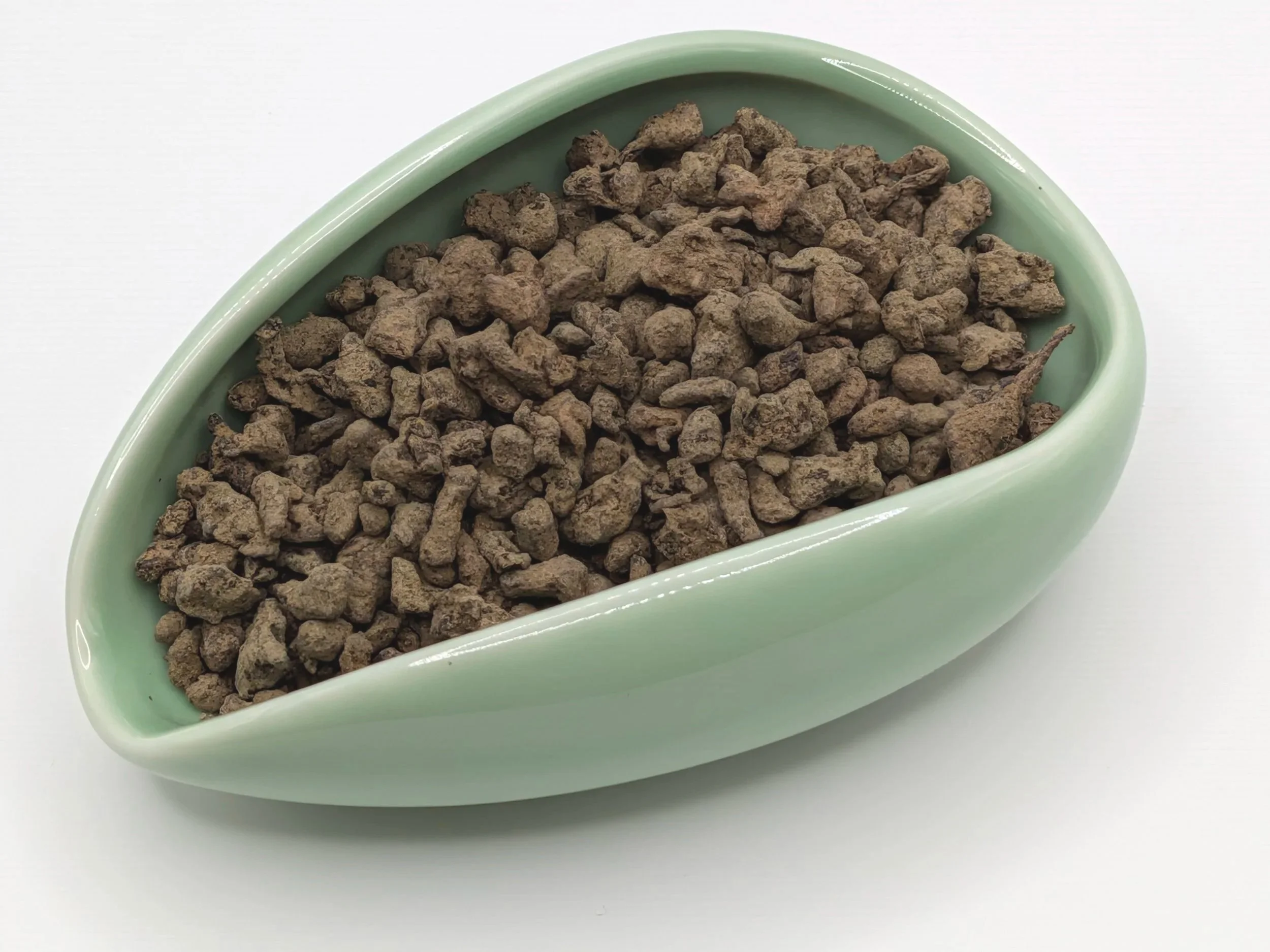
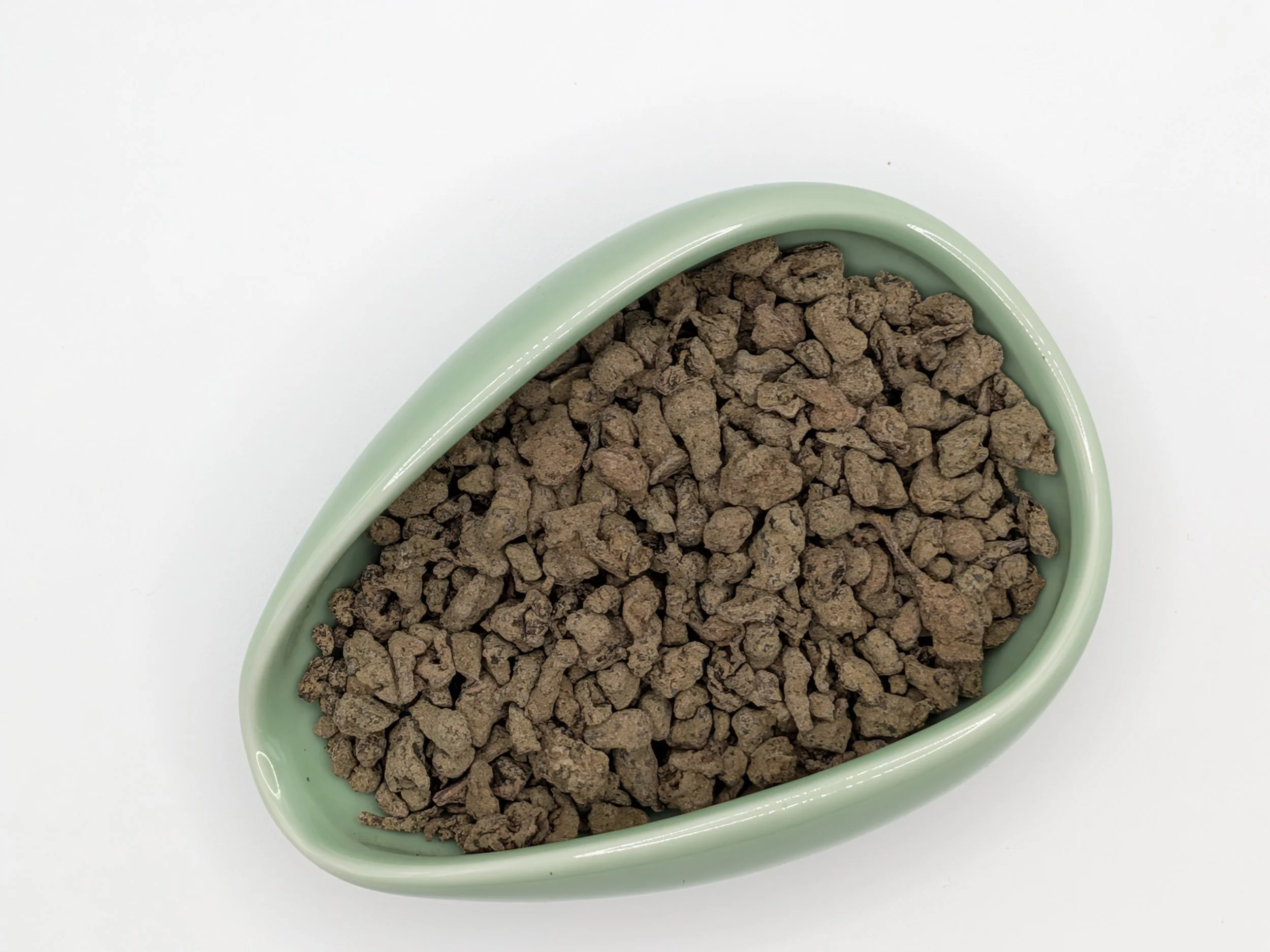
Dry leaves often show a mix of colours—silvery buds, reddish edges, dark brown leaves. The silvery hairs on the buds give the tea its name Bai Hao (“white-tipped”). The curled, multi-hued leaves look almost like forest foliage in autumn.
When steeped, the liquor becomes a warm amber-gold, radiant and clear.
Aroma
The scent is immediately inviting:
Honey (the defining note)
Ripe fruits like peach or pear
Citrus zest
Wildflowers
A delicate muscat grape tone, often compared to a sweet dessert wine
The fragrance is rich but never heavy—there’s a natural sweetness that rises from the cup like warm summer air.
Flavour Profile
First sip
Smooth, soft, and slightly sweet, with a fruit-and-flower complexity that unfolds slowly across the palate.
Body
Distinct honeyed sweetness
Notes of stone fruit—apricot, peach, sometimes plum
Gentle spice hints (cinnamon, nutmeg)
A muscat-like juiciness reminiscent of champagne grapes
Mild woody or toasted undertones from oxidation
The taste is refined and layered, with a clean elegance that persists through multiple infusions.
Finish
Long, sweet, and warming. The honey note lingers at the back of the throat, leaving a soft, perfumed aftertaste.
Mouthfeel
Silky and rounded, with a natural smoothness that feels almost nectar-like. Despite its complexity, the tea remains easy to drink—no bitterness, no astringency when brewed correctly.
Character & Mood
東方美人 has an almost regal charm. It’s the kind of tea that feels celebratory, sensual, and comforting all at once. Many describe it as a “dessert tea” even without sweetness added, because of its rich floral-fruity-honey profile.
It’s perfect for slow evenings, after-meal sipping, or moments when you want something luxurious without being heavy.